Sometimes, a closed ski trail may look perfect at first glance. So why can’t you ski it? The decision to close a trail is based on several factors — hidden hazards, unfavourable snow conditions, or reduced visibility, to name a few. Above all, these closures are meant to keep skiers safe. Each morning, the Ski Patrol inspects the mountain and evaluates every trail based on specific safety criteria. If a trail is closed, trust that it’s for a good reason!.
Why Do Ski Trails Close?
Ski Conditions and Hidden Hazards
At Tremblant, weather conditions can change dramatically from one day to the next. A trail that offered perfect snow and smooth skiing yesterday may be covered with ice, hard crust, or denser snow the following day. These changes can make certain sections more technical or unpredictable, even for experienced skiers.
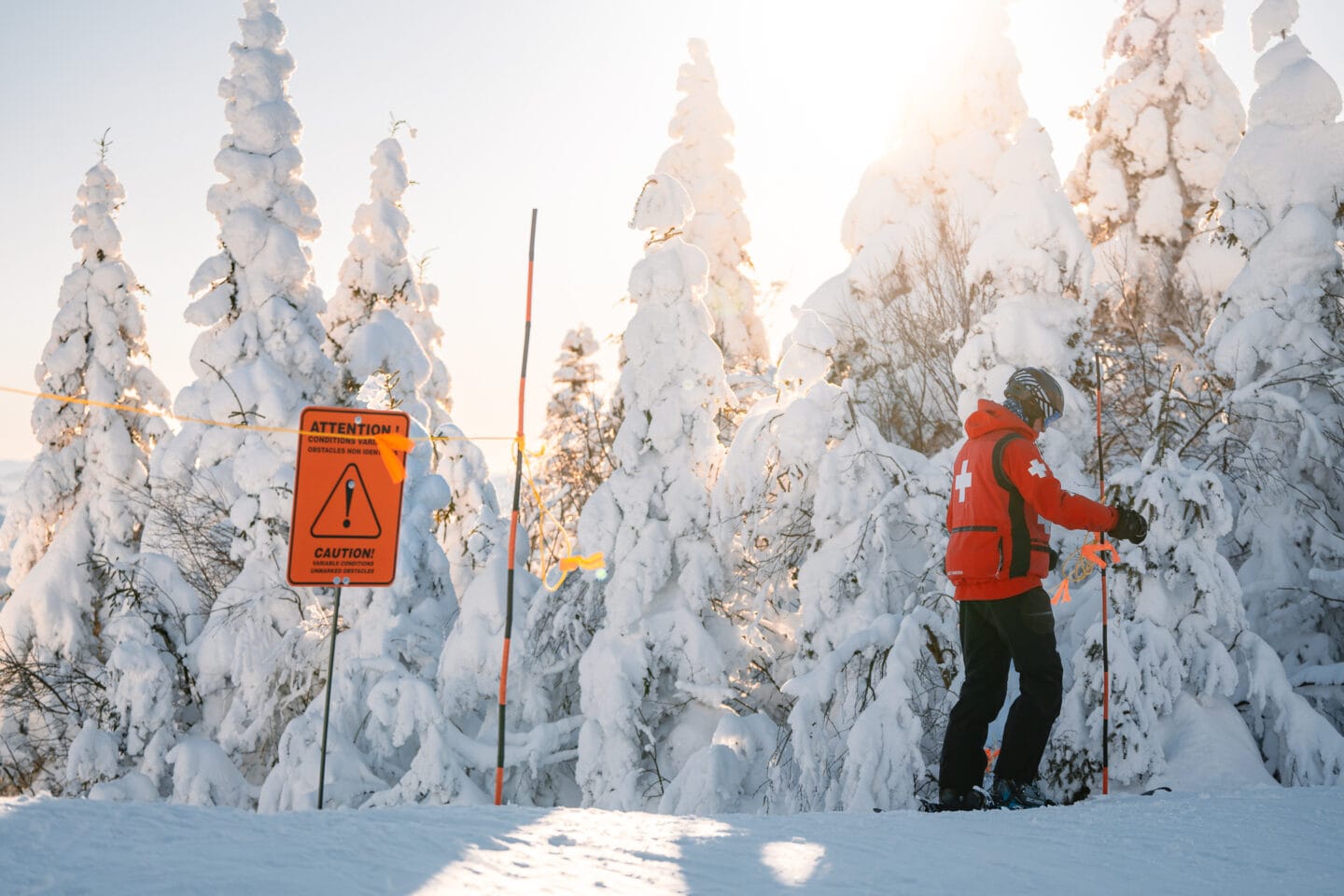
In addition, trails can sometimes contain hidden hazards. These are particularly common early in the season, after a storm, or following a thaw. Rocks, tree roots, holes, or drainage channels can blend into the white landscape, making them difficult to see and increasing the risk of falls or injury.
This is why vigilance is essential at all times, and why Tremblant patrollers regularly inspect and secure the trails. Their expertise ensures that the slopes remain safe and suitable for all guests, while also reminding skiers that even an open trail can have varying conditions depending on the time of day and traffic levels.
Trail Work
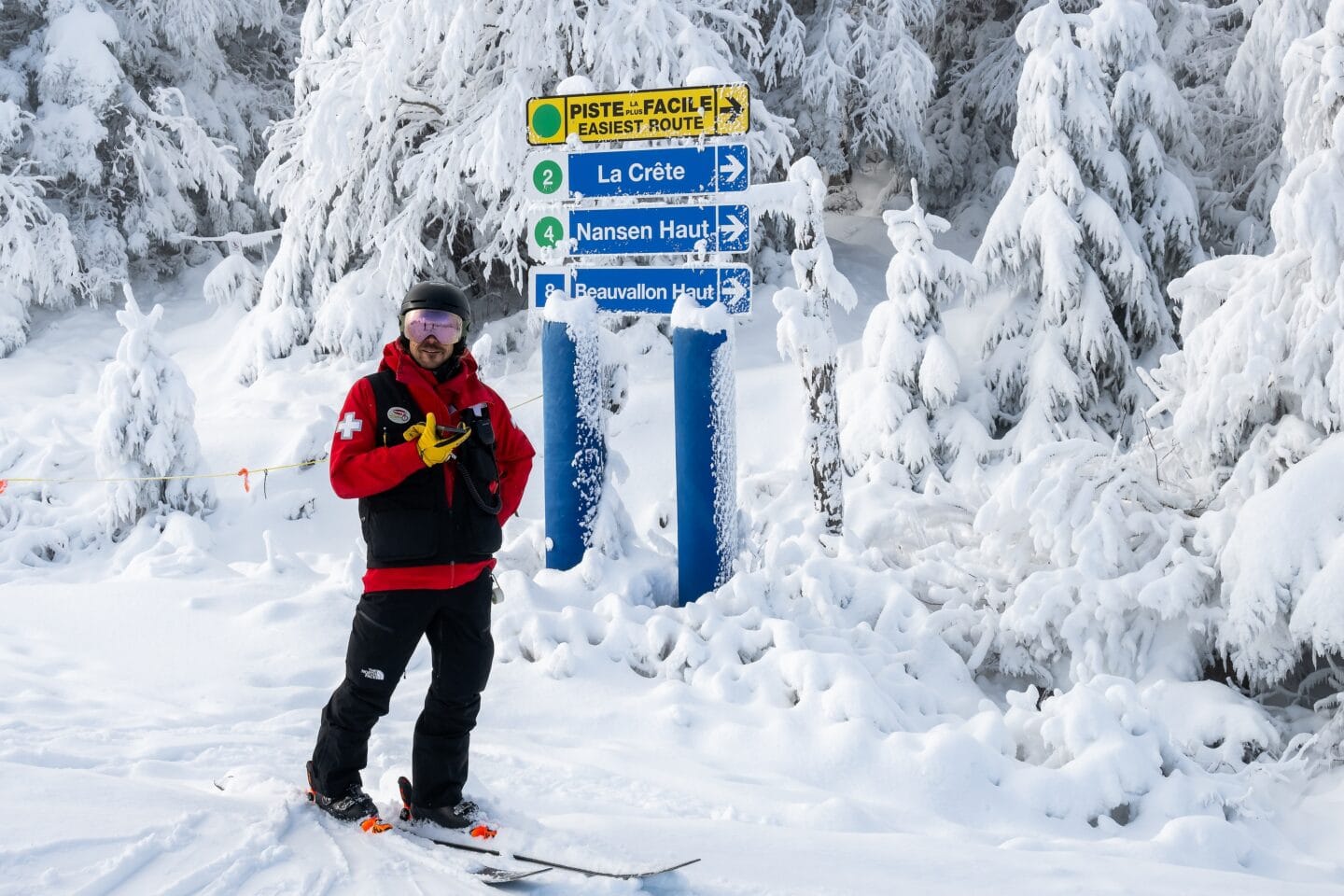
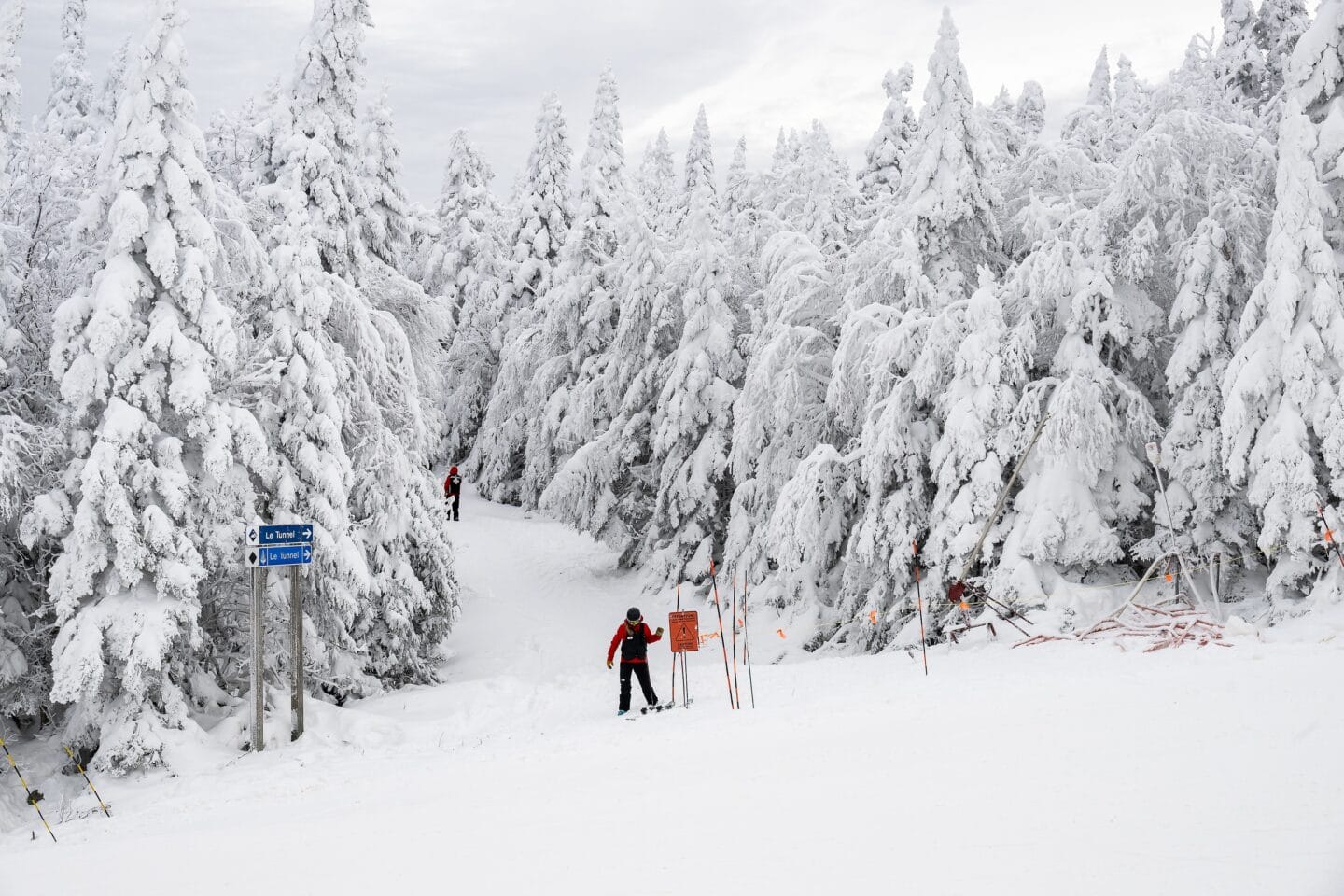
Runs can sometimes be closed because snowmobiles or snow grooming machines are present. These daytime operations are not as frequent, but can be necessary to offer optimal snow conditions. Never enter a closed trail, especially when you see a Winch cat at work sign.
Snow-grooming machines use a winch with a cable endangering anyone using the trails. This steel cable attached to the snow-grooming machine is under high tension and can be extended to a length of 1 km. It is often invisible, as it cuts under the snow, and it can remerge suddenly while strongly whipping everything on its path. Never enter the trails after opening hours, because your life could be in danger!

Snow Cover
It is difficult to fully estimate the size of mont Tremblant: there is a huge difference between the bottom and the top of the mountain. Sometimes, temperatures can vary of as much as 5 degrees Celsius between those two points! That is why a run can be open at the top, but closed at the bottom for lack of snow. A run could also be closed because the bottom part of the run doesn’t provide an exit. For example: the Supérieur trail could be nice, but still closed if the snow at the bottom of the Jasey-Jay Anderson trail does not offer enough cover.
Poor Visibility
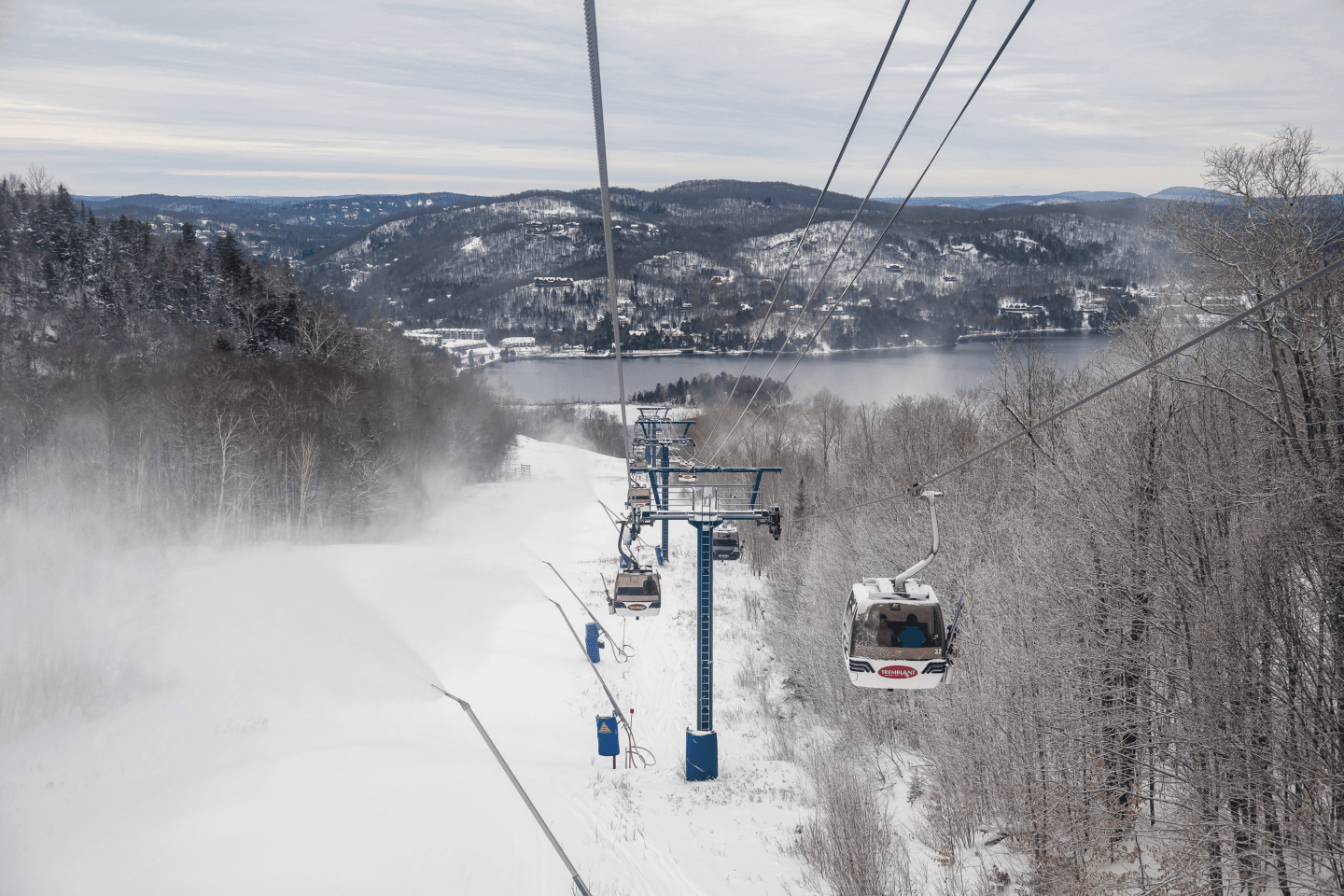
Going down the hill while visibility is poor can be very dangerous. One of the main causes of poor visibility are snow-making machines in operation. To maximize snow production, snow guns may have to be running for 48 hours straight in certain areas. On the other hand, significant variations in temperature or meteorological conditions can also cause natural fog in some areas of the mountain. These phenomena mostly arise when Lac Tremblant is not yet frozen.
Closures for Training
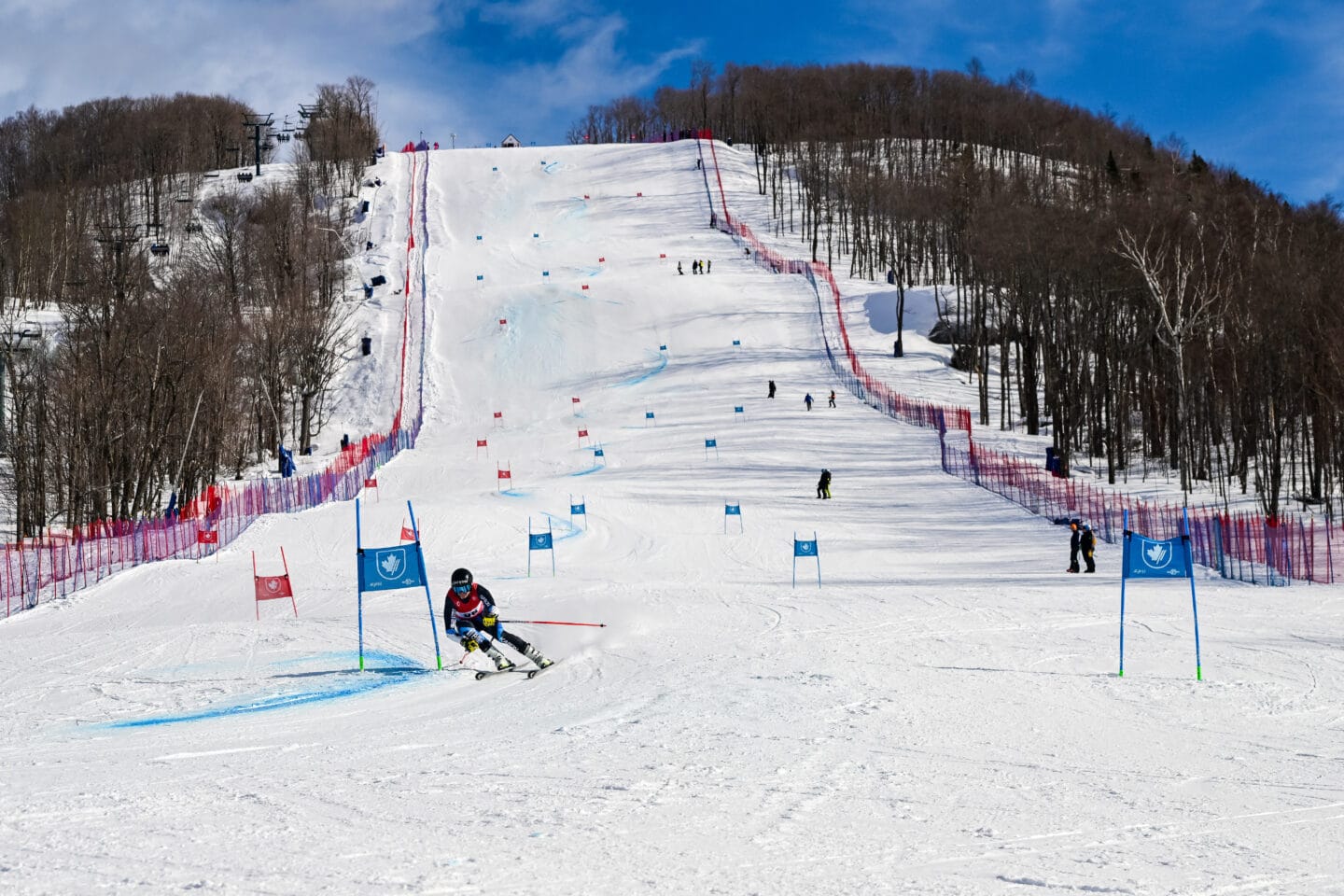
Some trails may be temporarily closed to allow for training sessions, particularly for clubs or competitive teams. These training sessions play a direct role in developing the next generation of athletes, providing an environment where the future Erik Guay or Valérie Grenier can emerge!
However, reopening a trail after a training session is not always immediate. Trails used intensively during training experience many repeated runs, often with very precise lines. This can significantly alter the snow surface, creating harder sections, grooves, or irregularities that may not suit all types of skiers. Under these conditions, skiing the trail can pose increased risks.
Additionally, the ski patrol team may be needed elsewhere on the mountain to assist injured skiers, which can delay the trail assessment. Only Tremblant patrollers are authorized to determine whether a trail is safe and ready to open, always with the safety of all guests as the top priority.
About Alpine Touring Trail Closures
The alpine touring trails are closed when the lifts are not operating. This rule applies to all skiers and snowboarders on the mountain, hikers, and those in alpine touring. Using the trails outside of opening hours is prohibited. The ski area could take legal action against you.
Also, during mountain operating hours, check trail conditions of our designated uphill areas before heading out.
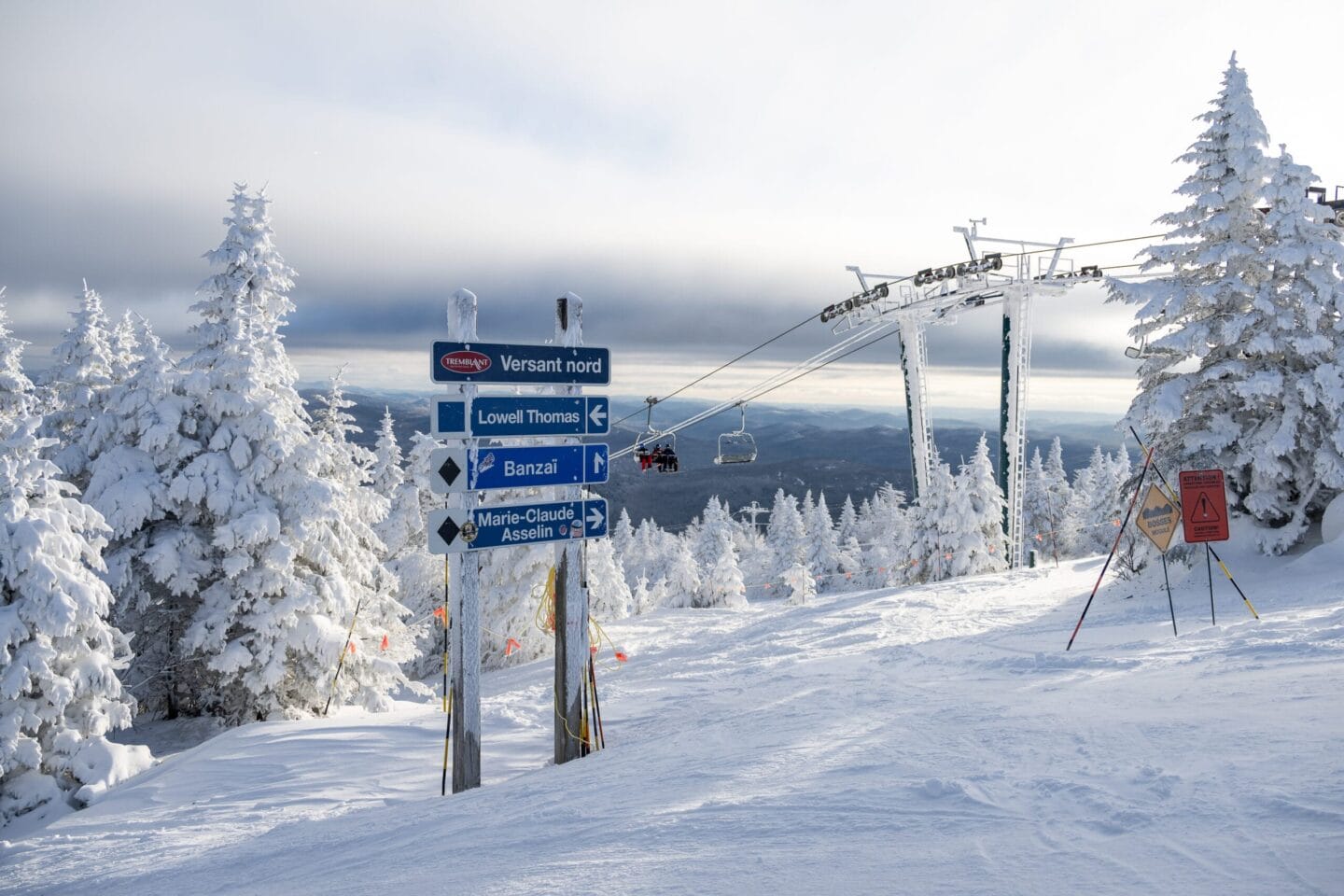
In short, always pay attention to signage and never engage in a closed trail. Do not forget, trails are closed for your safety!
Why Do Ski Lifts Stop or Close?
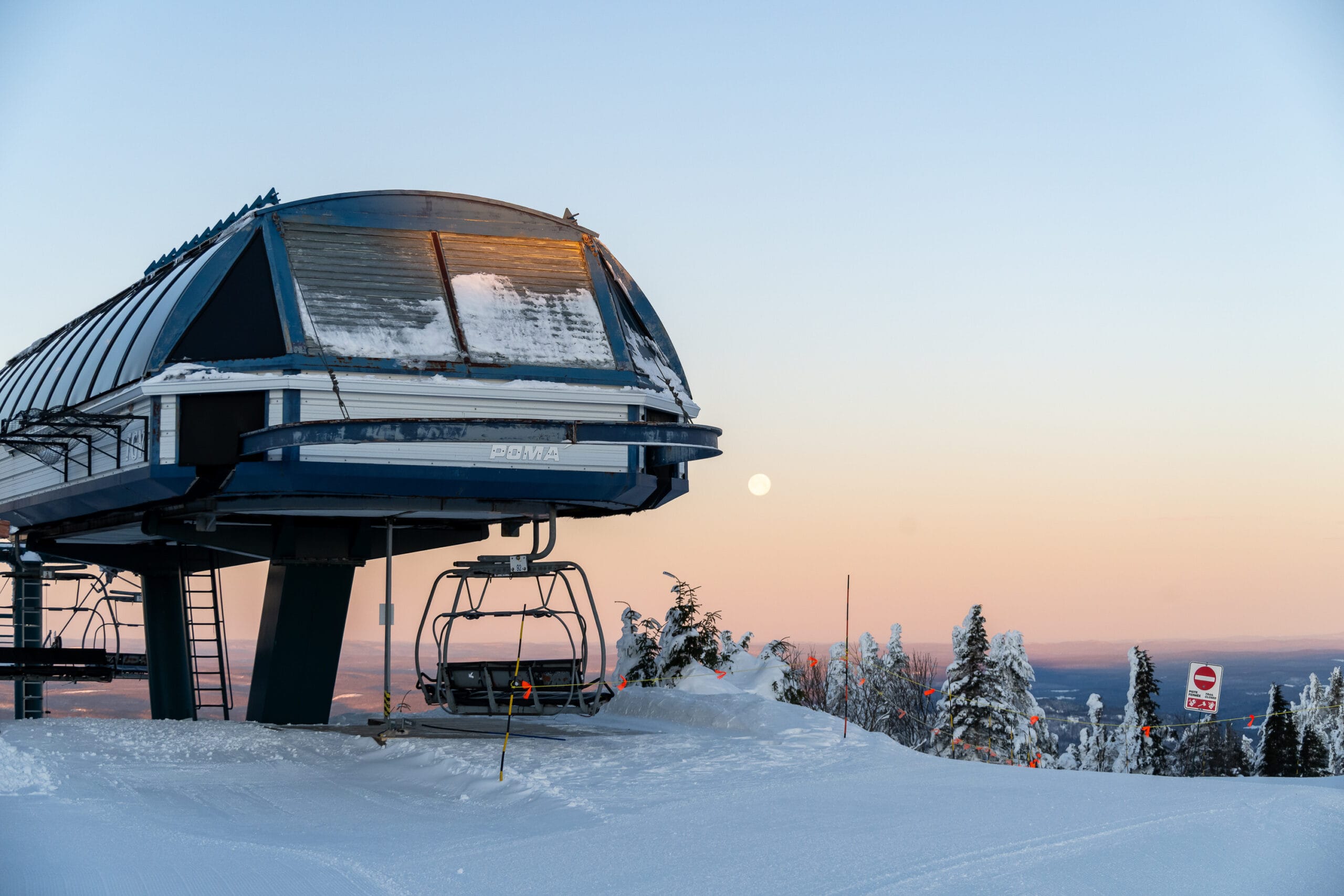
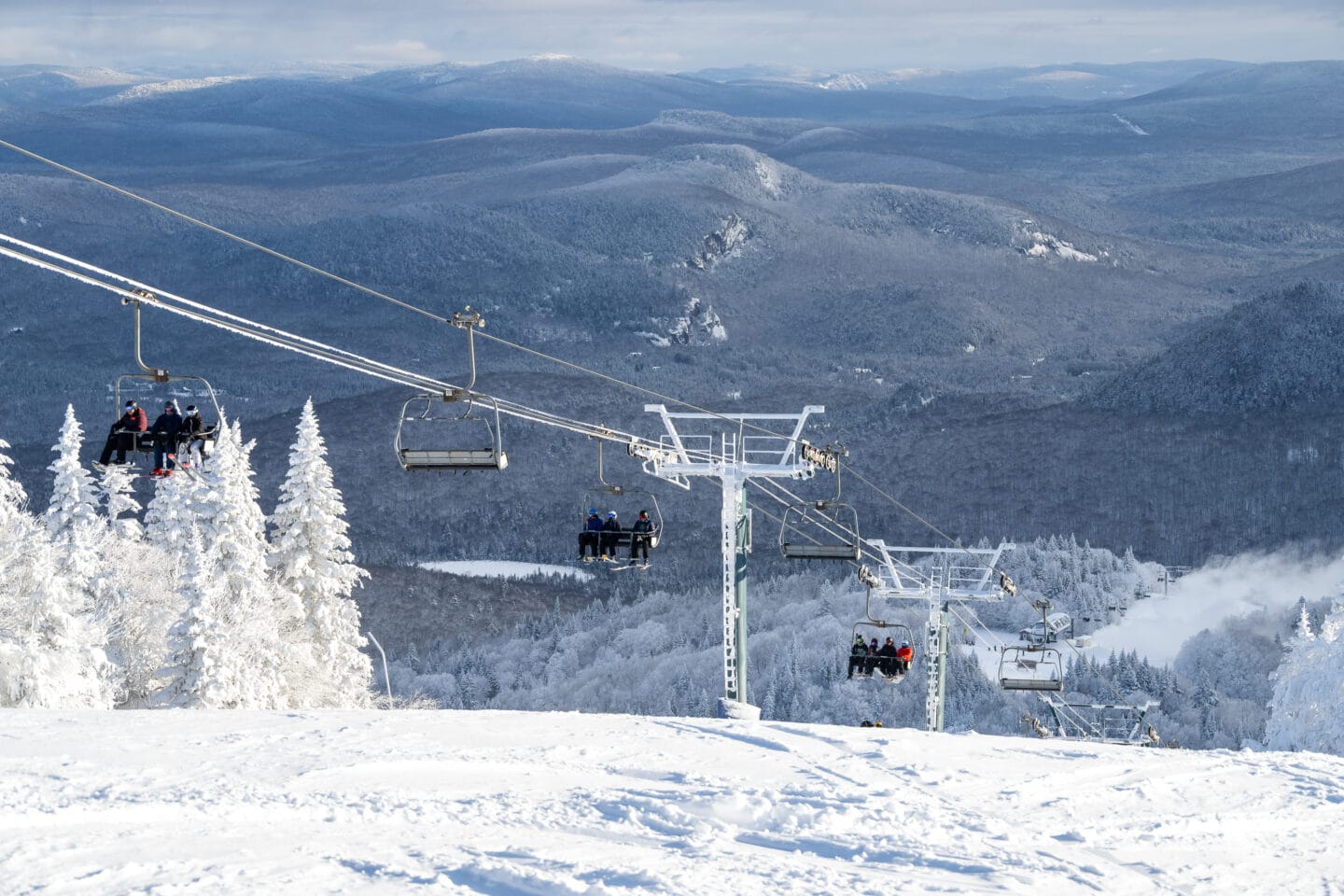
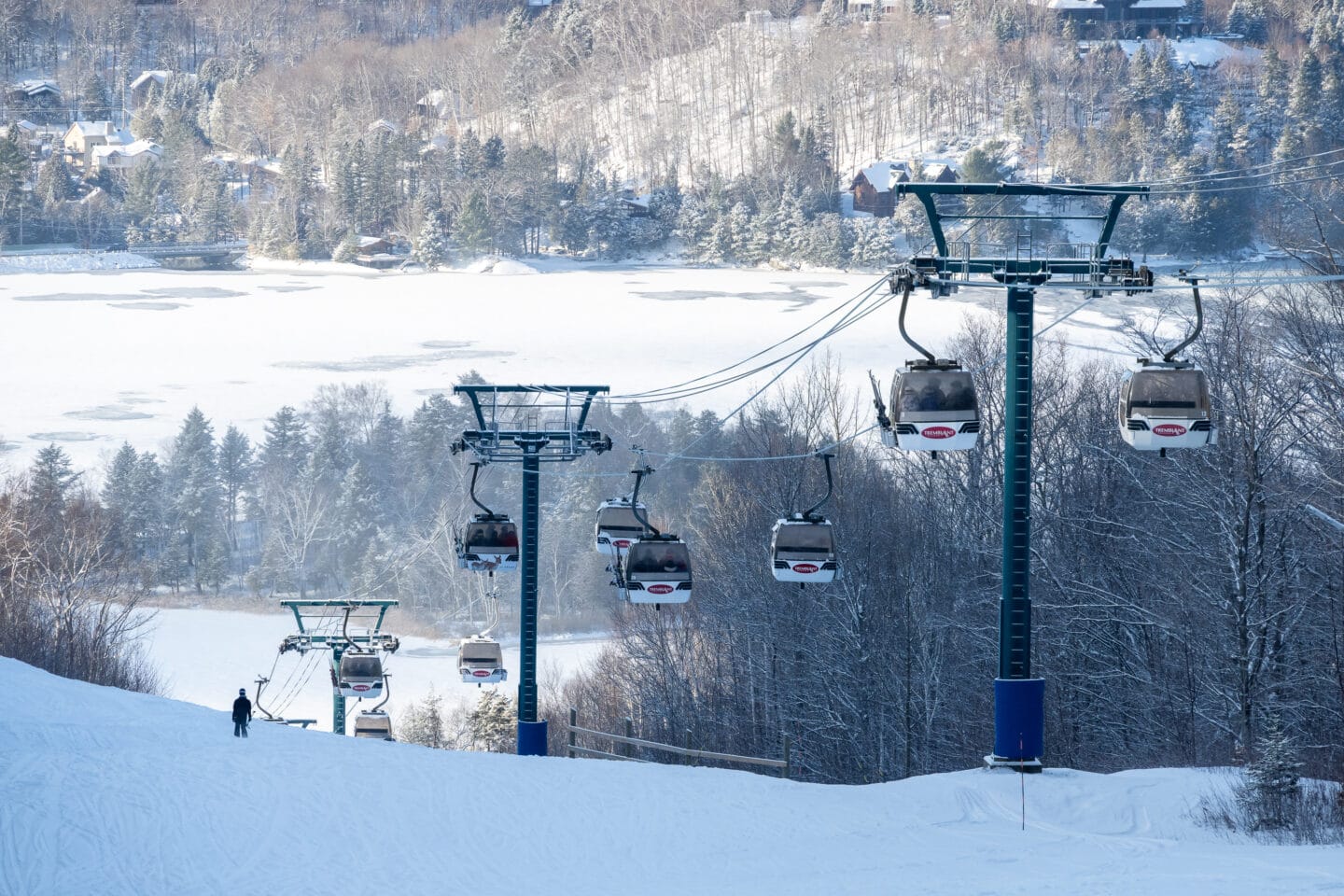
Our detachable lifts are designed to provide safe loading and unloading, with consistent spacing between chairs maintained by a timing system. Despite this technology, stops can occur for various reasons and for different lengths of time. Here are a few situations that may happen.
Temporary Stops
Some short stops allow operators to quickly correct minor situations. For example, an operator may briefly stop the lift to assist with loading if a guest does not move forward quickly enough, drops a pole, or needs help getting properly positioned. Checks may also be required, such as confirming that safety bars are lowered or inspecting a cabin or chair.
Weather can also influence these stops. Wind gusts, rain or freezing rain can slow the passage of chairs through the terminals, while extreme temperatures can make it more difficult for components to move and for emergency engines to start preventively.
Lifts are also equipped with numerous sensors that monitor chair spacing in the terminals, cabin door closure, programmed wind limits and cable positioning. If a parameter falls outside the set range, the lift will stop automatically.
Prolonged Stops
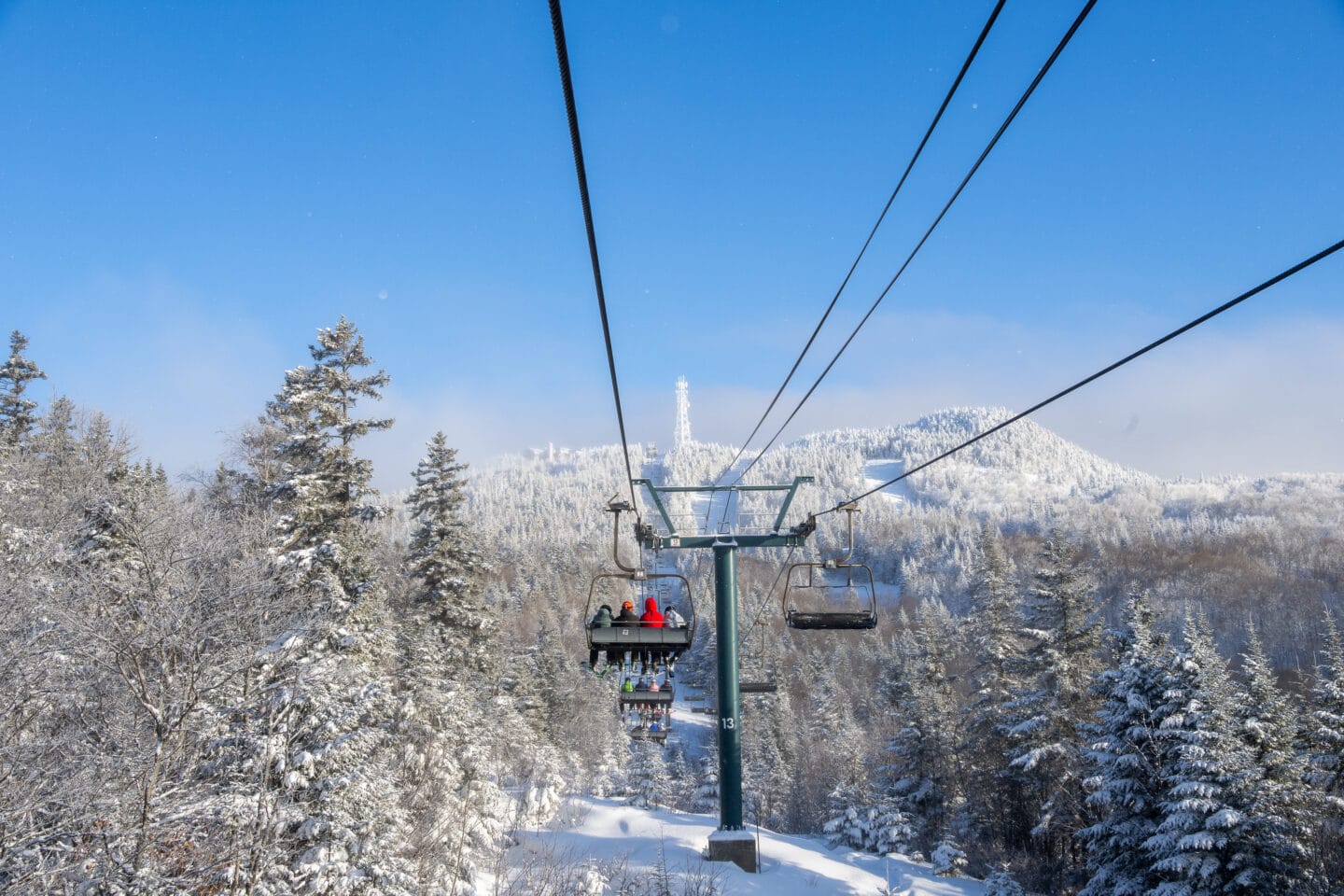
When a more thorough inspection is required, the lift may remain stopped longer so teams can ensure it is safe to restart. This can happen when components need adjustment or realignment, or after wind gusts, rain or freezing rain affect the movement of chairs in the terminals.
The stability of the electrical grid also plays an important role in our operations. Power reductions or fluctuations from the Hydro-Québec network can require the lift to run on a thermal engine at reduced speed, or even lead to a temporary stop. Stops may also occur during a change in operating mode, for example when switching from the electric motor to the auxiliary diesel engine.
Major Closures
Some prolonged closures are required for safety reasons, such as equipment malfunctions or extreme weather conditions including strong winds, freezing rain or extreme temperatures that can slow or interrupt lift operations.
The safety and comfort of our guests remain our priority at all times.
Stay updated with real-time mountain conditions